- Your cart is empty
- Continue shopping
-
admin
- Posted on
- Categories:Commercial Kitchen Equipment
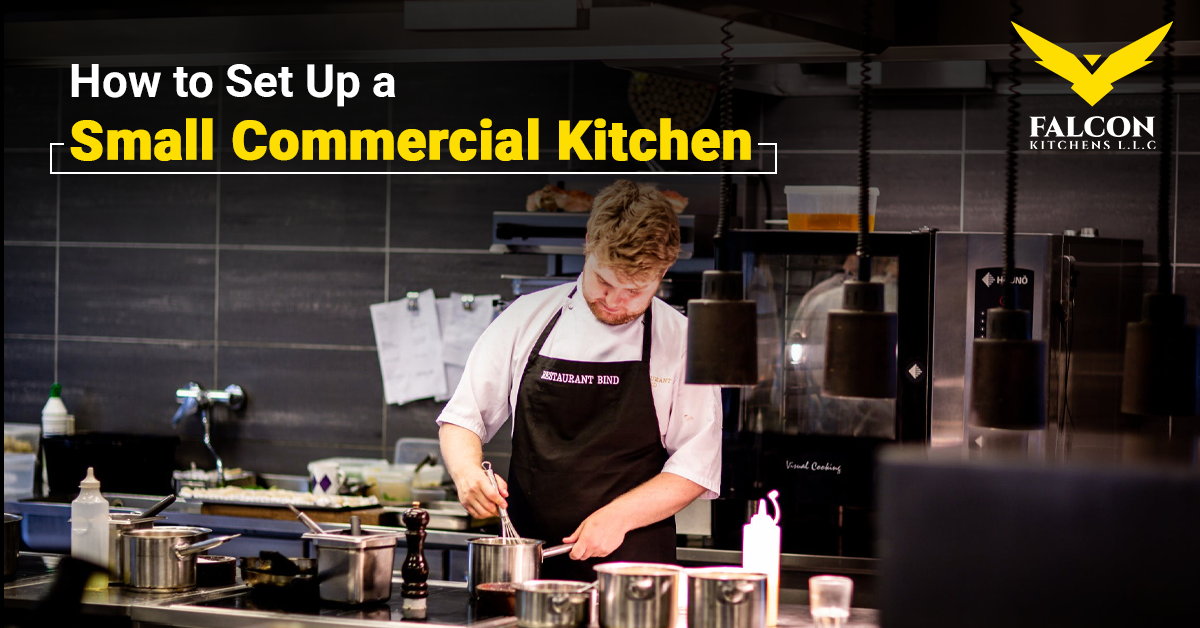
Running a small restaurant or café means working with whatever space you have. You might have room for two cooking stations, a refrigerator, and a narrow preparation counter. During lunch hours, even that space can feel crowded when orders start coming in.
The trick is knowing what your kitchen actually needs. A burger shop doesn’t need the same appliances as a bakery, and a takeaway counter doesn’t need the setup of a full-service restaurant.
If you’re planning how to set up a small commercial kitchen, think about what you’ll cook, how many orders you’ll handle, and where your staff will work. Get these things right before spending money on equipment.
How to Set Up a Small Commercial Kitchen Without Wasting Space or Money
Before ordering ovens, fryers, or refrigerators, grab a measuring tape and sketch your kitchen. Mark where the doors open, where the water pipes run, and where the gas and electrical connections sit.
Now picture two or three people cooking during the busiest hour of the day. Can they move around without bumping into each other? Yes, one person can be on the stove and someone else can open the fridge.
A few things worth checking:
- How many meals will you cook during peak hours?
- Which dishes need separate cooking equipment?
- Where will deliveries and ingredients go?
- Is there enough room to wash dishes?
- Can staff reach the equipment without blocking walkways?
These small details can save you from moving heavy appliances after installation.
1. Pick a Kitchen Layout That Fits Your Daily Work
There’s no point copying a restaurant kitchen you saw online if your space and menu are completely different.
For a narrow kitchen, a galley layout often makes sense. Put cooking equipment along one wall and preparation counters along the other, leaving enough room to walk between them.
If you’re opening a sandwich shop or takeaway outlet, try an assembly line arrangement. Ingredients move from the preparation counter to the cooking station and then to the packing area.
Restaurants with larger menus may need separate sections for chopping, cooking, washing, and storage.
Whatever layout you choose, keep hot cooking stations away from unnecessary staff traffic.
2. Buy Commercial Cooking Equipment Based on Your Menu
It’s tempting to buy every appliance when setting up a new restaurant. But that large oven or extra fryer may sit unused while taking up half your kitchen.
Start by writing down your most popular dishes.
If you’re planning a burger shop, you’ll probably need a griddle, fryer, and compact oven. A pasta restaurant may need ranges, boiling equipment, and pasta cookers.
Common commercial cooking equipment includes:
- Commercial Ovens: For baking bread, roasting meat, and preparing baked dishes.
- Commercial Fryers: For chips, fried chicken, and other fried snacks.
- Griddles & Grills: For burgers, sandwiches, and grilled vegetables.
- Ranges & Hotplates: For sauces, soups, and pan cooking.
Check each appliance’s size before buying. Remember to leave the clearances required by its manufacturer.
3. Don’t Let Refrigerators Take Over the Kitchen
Refrigerators are necessary, but oversized units can leave very little room for cooking.
For smaller restaurants, undercounter chillers & freezers are worth considering. You can keep vegetables, dairy products, and other regularly used ingredients close to the preparation area.
If you buy ingredients in larger quantities, an upright chiller may give you the storage you need.
Store raw meat in suitable containers, separate from ready-to-eat foods and control refrigeration temperatures on a daily basis.
For dry goods, use shelves instead of leaving cartons on the floor.
4. Give Your Food Preparation Area Enough Room
Imagine your chef chopping vegetables while another employee tries to assemble orders on the same tiny counter. Things quickly become messy.
Your preparation area needs clear work surfaces and easy access to utensils.
Useful food preparation equipment can be commercial mixers, vegetable cutters and food slicers depending on the menu.
Stainless steel tables work well because they’re sturdy and easy to clean.
Place knives, chopping boards, containers and frequently used ingredients where they are needed and easily accessible. Have separate preparation arrangements for raw and ready-to-eat foods to avoid cross-contamination.
5. Pay Attention to Kitchen Ventilation
A kitchen with poor ventilation can become extremely hot, especially when several burners or fryers run together.
Cooking also releases smoke, steam, and grease into the air.
Suitable exhaust hoods & canopies help remove cooking fumes from the kitchen.
But don’t buy an exhaust hood just because it fits over your stove. Its extraction capacity must suit your appliances and cooking methods.
Have a qualified contractor check the ductwork, replacement air supply, and fire safety requirements.
Clean filters regularly. Grease buildup can become a serious fire hazard.
6. Keep the Washing Area Away from Food Preparation
Dirty plates and used cooking utensils shouldn’t pile up beside freshly prepared food.
Leave a designated area for washing dishes and cleaning equipment.
Your kitchen may need commercial sinks & wash stations, a dishwasher, and shelves for drying utensils.
Place handwashing facilities where staff can reach them easily.
Do not put detergents and other cleaning chemicals close to ingredients, and ensure water drains properly away from the washing area.
7. Think About Food Holding and Serving
Not every meal goes straight from the stove to the customer.
If you run a buffet, cafeteria, or takeaway counter, you may prepare certain dishes before the rush begins.
This is where warming & holding equipment can be useful.
Food warmers (countertop and heated display cabinets) are devices used to hold prepared food at the proper serving temperature.
Choose equipment based on how long food needs to be held and how many portions you serve.
Remember that warming equipment isn’t a replacement for proper cooking or reheating.
8. Spend Your Kitchen Budget Where It Matters
A new restaurant can easily overspend on equipment before opening its doors.
Instead of buying everything at once, divide your purchases into what you need immediately and what can come later.
Make room in the budget for installation, plumbing, ventilation, and electrical work. These expenses are easy to overlook.
You might also consider used commercial kitchen equipment if you’re starting with limited funds.
Before buying second-hand appliances check their condition, service history, temperature performance and electrical safety.
Buying a cheaper appliance won’t save much if it needs frequent repairs.
For restaurants, cafés, and catering businesses looking for commercial kitchen equipment in the UAE, Falcon Kitchens offers options for cooking, refrigeration, preparation, and washing requirements.
Frequently Asked Questions
1. What equipment do I need for a small commercial kitchen?
You’ll usually need a cooking range, refrigerator, preparation table, sinks, ventilation, and equipment suited to your menu.
2. What is the best layout for a small commercial kitchen?
A galley layout works well for narrow kitchens, while an assembly line suits takeaway restaurants.
3. Can I start a commercial kitchen with used equipment?
Yes. Check the appliance’s condition, safety, service history, and performance before buying.
4. How can I save space in a small restaurant kitchen?
Use undercounter refrigeration, wall shelves, compact cooking appliances, and properly arranged preparation counters.
5. Do small commercial kitchens need ventilation?
Yes. Cooking kitchens need suitable ventilation to handle heat, smoke, grease, and steam, according to their appliances and local requirements.
